

Liquid Prenatal Vitamins - Gentle Pregnancy Support
Liquid prenatal vitamins help deliver essential nutrients in a liquid form that is easier to swallow, gentler on digestion, and absorbed within 30 minutes. Compared with pills, which can take 2–4 hours to be absorbed, a liquid prenatal can provide prenatal nutrition quickly during pre-pregnancy, pregnancy, breastfeeding, and postnatal recovery. Experience superior absorption and comprehensive support for both you and your baby.

Original price
$39.95
-
Original price
$119.85
Original price
$39.95
-
Original price
$119.85
Original price
$39.95
$27.95
-
$65.95
$27.95
-
$65.95
Current price
$27.95
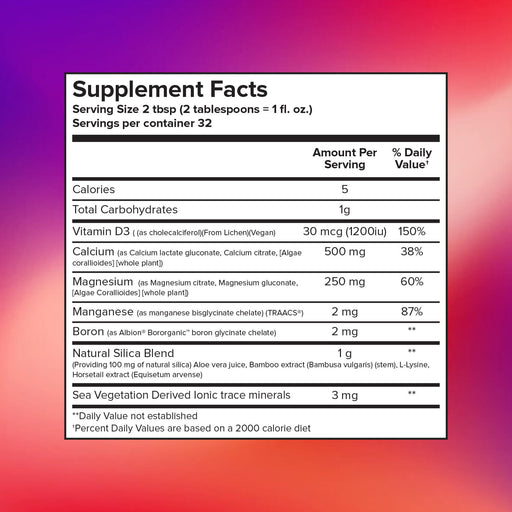
Liquid Calcium and Magnesium Supplement
100+ sold in the last 30 days
Liquid HealthIntroducing the Calcium Magnesium Liquid Supplement by Liquid Health – the best calcium and magnesium supplement that helps to support healthy bo...
View full details
Original price
$39.95
-
Original price
$119.85
Original price
$39.95
-
Original price
$119.85
Original price
$39.95
$27.95
-
$65.95
$27.95
-
$65.95
Current price
$27.95
Save up to 45%
Original price
$39.95
-
Original price
$119.85
Original price
$39.95
-
Original price
$119.85
Original price
$39.95
$31.95
-
$77.95
$31.95
-
$77.95
Current price
$31.95
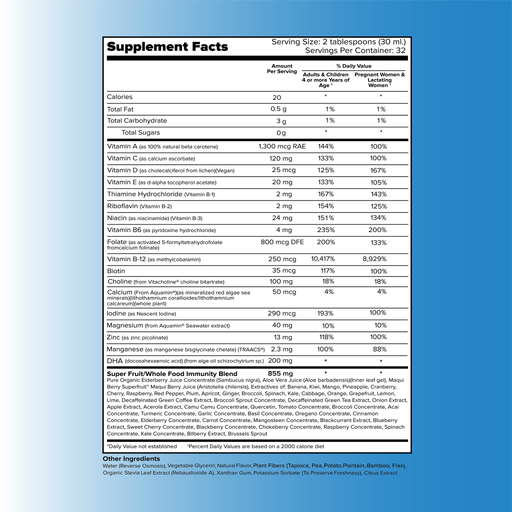
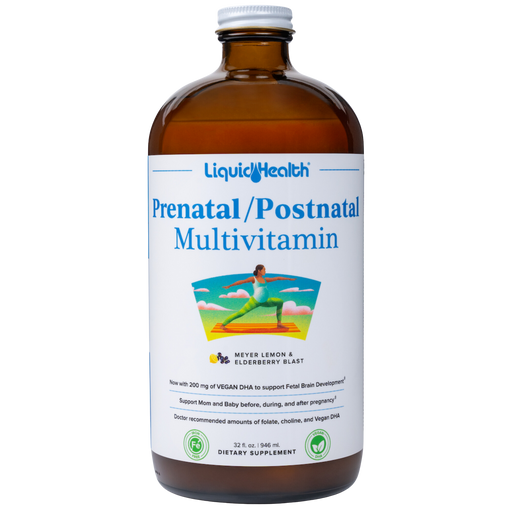
Liquid Prenatal Vitamins (Folic Acid, DHA)
100+ sold in the last 30 days
Liquid HealthNurture your body and support your baby's healthy development with Liquid Health’s Liquid Prenatal Vitamins. If you are looking for the best liquid...
View full details
Original price
$39.95
-
Original price
$119.85
Original price
$39.95
-
Original price
$119.85
Original price
$39.95
$31.95
-
$77.95
$31.95
-
$77.95
Current price
$31.95
Save up to 35%

Original price
$29.95
Original price
$29.95
-
Original price
$29.95
Original price
$29.95
$19.95
-
$46.95
$19.95
-
$46.95
Current price
$19.95
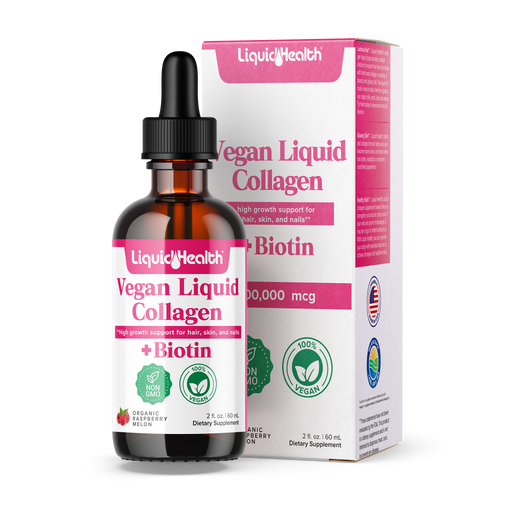
Vegan Liquid Collagen & Biotin Hair Growth Drops – 100,000mcg for Healthy Hair, Skin & Nails
100+ sold in the last 30 days
Liquid HealthVegan Collagen Hair Growth Drops w/ Biotin | 100,000mcg | Skin, Healthy Hair & Nail Growth (2 Oz) Liquid Health's Vegan Collagen with liquid bi...
View full details
Original price
$29.95
Original price
$29.95
-
Original price
$29.95
Original price
$29.95
$19.95
-
$46.95
$19.95
-
$46.95
Current price
$19.95
Save up to 33%
Original price
$39.95
-
Original price
$119.85
Original price
$39.95
-
Original price
$119.85
Original price
$39.95
$24.95
-
$64.95
$24.95
-
$64.95
Current price
$24.95
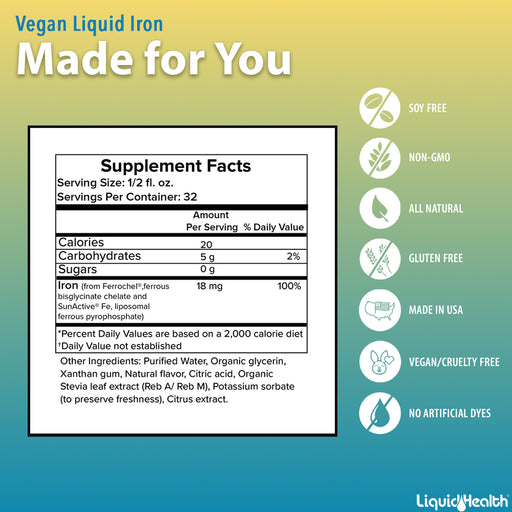
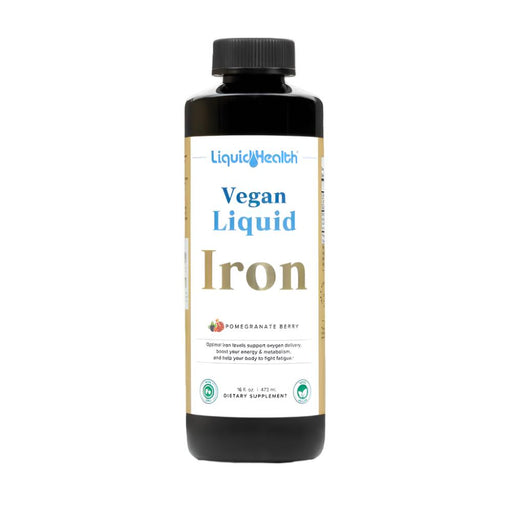
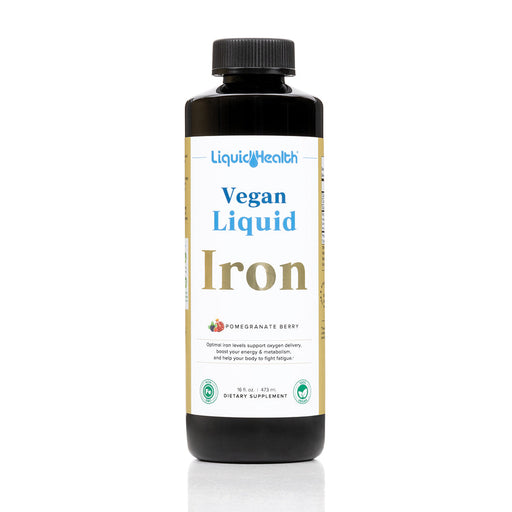
Vegan Liquid Iron Supplement
100+ sold in the last 30 days
Liquid HealthIntroducing Liquid Health's Vegan Liquid Iron – the ultimate solution for those seeking a powerful and effective vegan iron supplement! Our unique ...
View full details
Original price
$39.95
-
Original price
$119.85
Original price
$39.95
-
Original price
$119.85
Original price
$39.95
$24.95
-
$64.95
$24.95
-
$64.95
Current price
$24.95
Save up to 46%

Original price
$39.95
-
Original price
$119.85
Original price
$39.95
-
Original price
$119.85
Original price
$39.95
$27.95
-
$65.95
$27.95
-
$65.95
Current price
$27.95
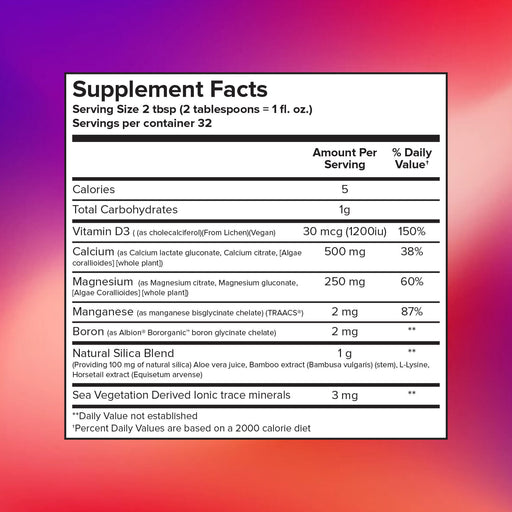
Calcium & Magnesium Bariatric Liquid Vitamins
100+ sold in the last 30 days
Liquid HealthIntroducing Liquid Health's Calcium & Magnesium Liquid Bariatric Vitamins, a meticulously crafted supplement designed to support your bone heal...
View full details
Original price
$39.95
-
Original price
$119.85
Original price
$39.95
-
Original price
$119.85
Original price
$39.95
$27.95
-
$65.95
$27.95
-
$65.95
Current price
$27.95
Save up to 45%
Original price
$39.95
-
Original price
$119.85
Original price
$39.95
-
Original price
$119.85
Original price
$39.95
$24.95
-
$64.95
$24.95
-
$64.95
Current price
$24.95
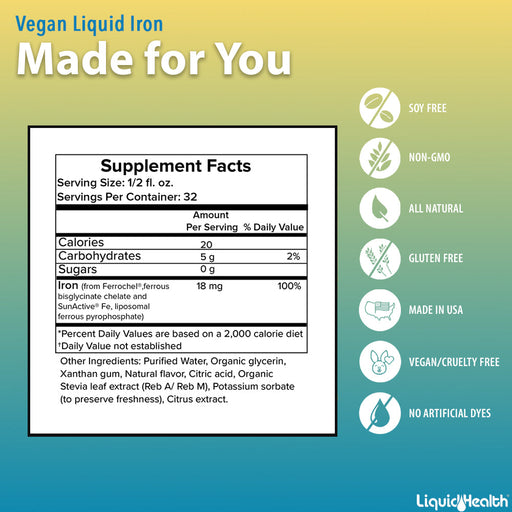
Vegan Liquid High Potency Bariatric Iron Supplement
100+ sold in the last 30 days
Liquid HealthIntroducing our Vegan Liquid High Potency Bariatric Iron Supplement, a cutting-edge solution for individuals seeking optimal iron levels without co...
View full details
Original price
$39.95
-
Original price
$119.85
Original price
$39.95
-
Original price
$119.85
Original price
$39.95
$24.95
-
$64.95
$24.95
-
$64.95
Current price
$24.95
Save up to 46%
Original price
$29.95
Original price
$29.95
-
Original price
$29.95
Original price
$29.95
$19.95
-
$46.95
$19.95
-
$46.95
Current price
$19.95
Vegan Liquid Bariatric Collagen Hair Growth Drops With Biotin
100+ sold in the last 30 days
Liquid HealthTransform your hair care routine with our Vegan Bariatric Collagen Hair Growth Drops With Biotin, designed specifically for bariatric patients. The...
View full details
Original price
$29.95
Original price
$29.95
-
Original price
$29.95
Original price
$29.95
$19.95
-
$46.95
$19.95
-
$46.95
Current price
$19.95
Save up to 33%

Original price
$79.90
Original price
$79.90
-
Original price
$79.90
Original price
$79.90
Current price
$54.95
$54.95
-
$54.95
Current price
$54.95
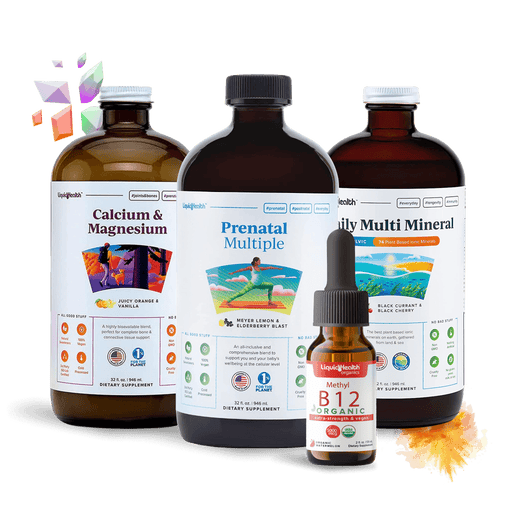
Vegan Liquid Prenatal/ Postnatal Baby Booster Bundle
100+ sold in the last 30 days
Liquid HealthNEW! Prenatal/Postnatal Multivitamin w/DHA Liquid Health Prenatal Multiple is a premium-quality supplement that provides the best prenatal vitamin...
View full details
Original price
$79.90
Original price
$79.90
-
Original price
$79.90
Original price
$79.90
Current price
$54.95
$54.95
-
$54.95
Current price
$54.95
Save 31%
Original price
$144.80
Original price
$144.80
-
Original price
$144.80
Original price
$144.80
Current price
$129.95
$129.95
-
$129.95
Current price
$129.95
Women’s Health and Vitality Supplements Bundle
100+ sold in the last 30 days
Liquid HealthThe Women's Health and Vitality Bundle by Liquid Health is a comprehensive package of the best liquid vitamins and supplements specifically desig...
View full details
Original price
$144.80
Original price
$144.80
-
Original price
$144.80
Original price
$144.80
Current price
$129.95
$129.95
-
$129.95
Current price
$129.95
Save 10%
Liquid Prenatal Vitamins for Every Stage
From early pregnancy through life with a newborn, liquid prenatal vitamins help meet changing nutrient needs with a gentle formula that fits daily routines.
Pre-Conception & Early Pregnancy
Folate is crucial for neural tube and spinal cord development, and pregnant women need 600 mcg DFE folate daily. ACOG recommends 600 mcg DFE folate for prenatal vitamins, and 5-MTHF folate is more bioavailable than synthetic folic acid, making methylated folate a smart choice for many women, including those considering MTHFR support.
Liquid vitamins bypass gastric breakdown for faster absorption, and liquid prenatal vitamins are absorbed within 30 minutes. Because liquids are generally easier to swallow for those with a gag reflex, they can also support those experiencing morning sickness.
Second & Third Trimester
As pregnancy advances, iron plays a vital role in supporting increased maternal blood volume and reducing the risk of anemia. The ACOG recommends 27 mg of iron per day during pregnancy, so always verify iron content as elemental iron in prenatal labels.
DHA supports fetal brain and eye development, while vitamin D3 helps build bones and teeth in the baby. Calcium, vitamin D, choline, and minerals also contribute to healthy fetal development during peak fetal development and the baby’s development.
Postpartum & Breastfeeding
After childbirth, postnatal vitamins help replenish nutrients, support well-being, and continue nourishing new moms during breastfeeding. Choline is essential for fetal brain structure and placental function, and it remains important in postnatal nutrition for the baby’s brain and maternal health.
A postnatal liquid multivitamin or a postnatal liquid prenatal formula can be easier to take on busy days. Liquid prenatal vitamins are customizable for incremental dosing and can be mixed into smoothies or juices for easier consumption.
Choose the Right Liquid Prenatal for Your Needs
The best prenatal multivitamin is the one that matches your body's nutrient needs, taste preferences, and any medical conditions discussed with your healthcare provider.
For Sensitive Digestion & Morning Sickness
Liquid supplements are gentler on the digestive tract than pills and reduce gastrointestinal upset during pregnancy. Liquid forms of vitamins can support those experiencing morning sickness, especially when taking prenatal vitamins on an empty stomach feels difficult.
Many liquid vitamins often do not contain synthetic binders and coatings. Look for a great taste, natural berry or citrus flavors, and formulas made without artificial flavors, harsh fillers, or unnecessary additives.
For MTHFR Gene Variants
For MTHFR-focused prenatal supplements, choose methylated folate, such as L-5-MTHF, rather than relying solely on synthetic folic acid. Liquid prenatal vitamins often contain active forms of nutrients like folate, and nutrients in liquid supplements are more bioavailable than in pills.
Methylcobalamin B12, active B6, and other bioactive vitamins can help create a more complete prenatal and postnatal routine. Liquid delivery allows vitamins to reach the bloodstream in as little as 30 minutes, supporting easy absorption when consistency matters.
For Iron Deficiency or Anemia
Iron is an essential nutrient during pregnancy as it supports the increase in blood volume and helps reduce anemia. Liquid iron supplements can reduce constipation compared to pills and may cause less nausea.
For better iron absorption, consider taking vitamin C alongside iron and, when possible, avoid taking calcium at the same time. Split or incremental dosing may also help tolerability, but always follow your product label and clinician guidance.
For Comprehensive Nutritional Support
A complete liquid multivitamin should provide adequate amounts of essential nutrients, including:
- Folate
- Iron
- Vitamin D
- Vitamin A (as beta-carotene)
- Calcium
- Choline bitartrate
- DHA
- B vitamins
DHA supports fetal brain and eye development, and a vegan DHA or DHA supplement can be especially useful for women who do not eat fish.
Review guides can help compare top liquid formulations and their nutrient profiles. Look for third-party tested quality in prenatal vitamins, non-GMO and gluten-free options, cGMP manufacturing standards, and clean ingredients such as a greens antioxidant fruit blend, veggie blend, or food blend.
Premium Liquid Formulations That Deliver
Quality matters in dietary supplements, especially during pregnancy, when nutrient form, dosage, and testing all affect confidence.
Methylated & Bioactive Nutrients
Premium liquid prenatal formulas typically include active forms such as L-5-MTHF folate and methylated B12. 5-MTHF folate is more bioavailable than synthetic folic acid, making it useful for supporting a healthy pregnancy and offering broad genetic compatibility.
High-quality liquid formulas typically use chelated nutrient sources. Chelated minerals can support superior absorption and may be easier on digestion than basic mineral forms.
Organic Whole Food Concentrates
Organic fruit, greens, antioxidant fruit, and veggie blend ingredients can add antioxidant support alongside core vitamins and minerals. These food-blend additions are often chosen by buyers seeking more natural, organic liquid prenatal supplements.
Clean-label liquid vitamins are non-GMO, gluten-free, vegan-friendly, and free from artificial flavors. Liquid Health is committed to quality and transparency, ensuring all formulas are produced in GMP-certified facilities and undergo rigorous third-party testing to guarantee purity and safety.
Advanced Liquid Technology
Liquid prenatal vitamins offer superior absorption compared to pills and deliver nutrients directly to the small intestine within 30 minutes. Liquid vitamins are absorbed within 30 minutes, faster than pills, which makes the liquid format useful for prenatal nutrition during nausea or pill fatigue.
Liquid prenatals typically require smaller serving sizes than pills, though serving sizes vary by brand and bottle size (in fl oz). Check for cGMP compliance in prenatal vitamins, proper storage directions, and third-party testing.
How to Take Your Liquid Prenatal Vitamins
Taking liquid prenatal vitamins correctly can improve tolerability, consistency, and nutrient absorption.
Daily Dosing & Timing
Many liquid prenatal formulas recommend 1 tablespoon (about 15 ml, or 0.5 fl oz) daily, with or without food. Some people prefer morning use for energy support, while others take liquid prenatal vitamins 15 minutes before meals or with food to reduce nausea.
Liquid vitamins can be mixed into smoothies or juices for easier consumption. Shake well before use so the liquid suspension distributes vitamins, minerals, choline, and iron evenly.
Enhancing Absorption
Take iron-containing liquid prenatal supplements with vitamin C-rich foods when possible. Avoid calcium supplements within 2 hours of iron-rich liquids because calcium can compete with iron absorption.
Refrigerate after opening if the label requires it, and keep the bottle tightly closed for stability. Consistent daily use helps maintain nutrient levels for both you and your baby.
Shop Premium Liquid Prenatal Vitamins
Explore liquid vitamins and liquid supplements from Liquid Health designed for superior absorption, gentle digestion, and comprehensive support throughout pregnancy and the postpartum period. Choose formulas with methylated folate, DHA, iron, choline, vitamin D3, and third-party tested quality to support healthy fetal development and maternal health. Your optimal prenatal nutrition starts with choosing liquid.
Top Prenatal Bundles
- Vegan Liquid Prenatal-Postnatal Baby Booster Bundle
- Vegan Women's Liquid Iron Bundle
- Women’s Health and Vitality Supplements Bundle
Top Prenatal Individual Vitamins
- Liquid Prenatal Vitamins (Folic Acid, DHA)
- Vegan Liquid Iron Supplement
- Liquid Calcium and Magnesium Supplement
Secure Checkout | Fast Shipping | Satisfaction Guaranteed!
FAQs About Liquid Prenatal Vitamins
Are liquid prenatal vitamins better?
Liquid prenatal vitamins can be better for many women who struggle with pills, nausea, constipation, or a gag reflex. Liquid supplements are gentler on the digestive tract than pills, liquid prenatals can reduce nausea and improve tolerability during pregnancy, and liquid delivery can reach the bloodstream in as little as 30 minutes.
What is the recommended daily dose of liquid prenatal vitamins?
Most liquid prenatal vitamins recommend taking one tablespoon daily, which provides a concentrated dose of essential nutrients. Always follow the product label and your healthcare provider’s advice for optimal dosing and absorption.
Can liquid prenatal vitamins be used during postpartum and breastfeeding?
Yes, many liquid prenatal vitamins are formulated for prenatal-postnatal use, supporting nutrient needs during pregnancy, postpartum recovery, and breastfeeding. Postnatal multivitamin support helps replenish nutrients, maintain maternal health, and nourish your baby.
What prenatal vitamins are good for MTHFR?
Prenatal vitamins with methylated folate, especially L-5-MTHF, are commonly preferred for MTHFR gene variants because 5-MTHF folate is more bioavailable than synthetic folic acid. A liquid prenatal with methylated B12, active B6, chelated minerals, and a gentle formula can offer comprehensive support and easy absorption.
How do liquid prenatal vitamins support immune health during pregnancy?
Liquid prenatal vitamins often include nutrients like vitamin D3 and antioxidants from organic fruit and veggie blends that provide immune support during pregnancy. These nutrients help maintain maternal immune function, which is vital for both the mother's and the baby’s health.
Can I take prenatal vitamins during menopause?
Prenatal vitamins are formulated for pregnant and breastfeeding women and may contain more iron or folate than is needed during menopause. If you are not pregnant or planning to become pregnant, ask your healthcare provider whether a standard women’s liquid multivitamin is more appropriate.
What is the best liquid prenatal vitamin?
The best liquid prenatal vitamin provides an adequate amount of essential nutrients, uses bioavailable forms, and is third-party tested. Look for:
- 600 mcg DFE folate
- 27 mg elemental iron (when appropriate)
- DHA for fetal brain development
- Choline for placental function
- Vitamin D3 for bones and teeth
- cGMP manufacturing standards
Important Safety Information: Please consult your physician or qualified healthcare provider before beginning any new dietary supplement regimen, especially if you are pregnant, nursing, have a pre-existing medical condition, or are adhering to a post-operative bariatric protocol. These statements have not been evaluated by the Food and Drug Administration. This product is not intended to diagnose, treat, cure, or prevent any disease.